Terraforming and Galactic Environmental Engineering. Economic Exploitation and Ethical Dilemmas / Question 3
ASX-25-035-Q03 · Part II · Interstellar Architecture · Chapter 5: The Galactic Stage
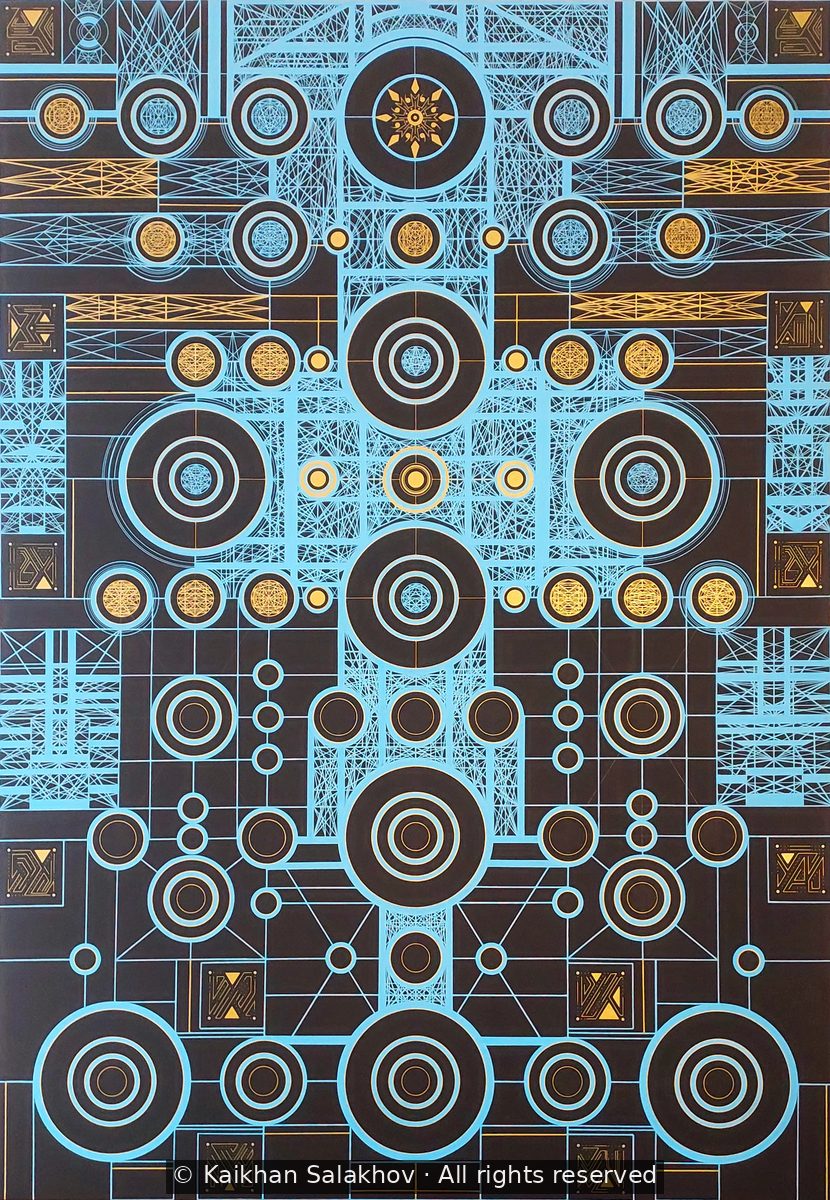
Technologies Across Life Forms
Cooperation, exchange and incompatibility among technical systems shaped by different environments, cognitive architectures and institutions.
Read the full painting meaning →This question examines economic inequality. Differences in ownership and access can become persistent asymmetries of opportunity and bargaining power. Its surrounding discussion also concerns resource access: unequal access to essential resources can create dependence and constrain meaningful participation.
The analytical issue is how these conditions affect ownership, access to scarce inputs, dependency, and incentives affecting allocation. The node treats the potential dysfunction as an open problem: its identification does not demonstrate that the anticipated outcome will occur or that an assumed technology is feasible.
Main problem
Differences in ownership and access can become persistent asymmetries of opportunity and bargaining power.
Central question
How could institutions prevent differences in access from becoming durable exclusion?
Analytical connections
Resource Allocation / Economy
For this economic inequality problem, resource allocation / economy examines ownership, access to scarce inputs, dependency, and incentives affecting allocation.
Social Structure
For this economic inequality problem, social structure examines group membership, social differentiation, cohesion, and the distribution of roles.
Contact Disposition
For this economic inequality problem, contact disposition examines relations between groups, conflict escalation, cooperation, and responses to unfamiliar agents.
Ethics / Moral Consideration
For this economic inequality problem, ethics / moral consideration examines consent, exposure to harm, unequal treatment, and the scope of moral protection.
Environmental Systems
For this economic inequality problem, environmental systems examines environmental dependencies, unintended ecological effects, and conditions required for habitation.
Technology
For this economic inequality problem, technology examines the proposed mechanism, technical dependencies, control interfaces, and failure conditions.
Original source prose and question wording remain in the book. The summary and central question are analytical restatements; the author’s complete wording remains in the cited source.
ASX positions and scientific context
- P4 scope
- P5 scope
- C position: not established
- Speculative scenario
Physical scope and coordination themes describe fields of inquiry. They do not establish a measured capability or scientific validation.
Cross-domain dependencies
Conditional analytical comparisons; question-level access follows the parent discussion.
Ecological intervention and habitation
Habitats and life-support systems depend on environmental conditions; engineering and resource extraction can change those conditions. Institutional priorities determine acceptable interventions, whose consequences can then alter settlement viability and social choices.
ASX-25-035: Terraforming and Galactic Environmental Engineering. Economic Exploitation and Ethical Dilemmas, pp. 153–153; ASX-55-012: Individual Exterior and Collective Exterior Non-traditional Terraforming Methods. Risk Mitigation, pp. 493–493.
Open ASX-55-012Ecological intervention and habitation
Habitats and life-support systems depend on environmental conditions; engineering and resource extraction can change those conditions. Institutional priorities determine acceptable interventions, whose consequences can then alter settlement viability and social choices.
ASX-25-035: Terraforming and Galactic Environmental Engineering. Economic Exploitation and Ethical Dilemmas, pp. 153–153; ASX-55-013: Stability and Long-Term Adaptability of Terraforming Ensuring, pp. 493–494.
Open ASX-55-013Ecological intervention and habitation
Habitats and life-support systems depend on environmental conditions; engineering and resource extraction can change those conditions. Institutional priorities determine acceptable interventions, whose consequences can then alter settlement viability and social choices.
ASX-25-035: Terraforming and Galactic Environmental Engineering. Economic Exploitation and Ethical Dilemmas, pp. 153–153; ASX-65-007: The Role of the Xenoanthropologists in Missions to Deep Space, Galactic Colonization, and Terraforming, pp. 631–632.
Open ASX-65-007Resource access and concentration of power
Unequal access to energy, technology, transport or information can create dependence and unequal bargaining power. Institutions and dominant operators may reinforce or reduce the same inequalities through allocation and access rules.
ASX-15-007: Spiritual Division by Quantum Hauling Monopolies. Spiritual Division Caused by Quantum Transportation Monopolies, pp. 44–45; ASX-25-035: Terraforming and Galactic Environmental Engineering. Economic Exploitation and Ethical Dilemmas, pp. 153–153.
Open ASX-15-007Resource access and concentration of power
Unequal access to energy, technology, transport or information can create dependence and unequal bargaining power. Institutions and dominant operators may reinforce or reduce the same inequalities through allocation and access rules.
ASX-15-013: Dangers of Spiritual Monopolies. Control and Manipulation in the Dark Night, pp. 46–46; ASX-25-035: Terraforming and Galactic Environmental Engineering. Economic Exploitation and Ethical Dilemmas, pp. 153–153.
Open ASX-15-013Resource access and concentration of power
Unequal access to energy, technology, transport or information can create dependence and unequal bargaining power. Institutions and dominant operators may reinforce or reduce the same inequalities through allocation and access rules.
ASX-15-017: The Formation of Spiritual Wars and Splits through Technological Disparities, pp. 47–47; ASX-25-035: Terraforming and Galactic Environmental Engineering. Economic Exploitation and Ethical Dilemmas, pp. 153–153.
Open ASX-15-017Resource access and concentration of power
Unequal access to energy, technology, transport or information can create dependence and unequal bargaining power. Institutions and dominant operators may reinforce or reduce the same inequalities through allocation and access rules.
ASX-25-035: Terraforming and Galactic Environmental Engineering. Economic Exploitation and Ethical Dilemmas, pp. 153–153; ASX-75-003: Galactic Corporations and Oligarchs Equate to Inequality and Conflict in the Chronicles of Cosmogeopolism, pp. 736–737.
Open ASX-75-003Ecological intervention and habitation / Resource access and concentration of power / Infrastructure and strategic conflict
Habitats and life-support systems depend on environmental conditions; engineering and resource extraction can change those conditions. Institutional priorities determine acceptable interventions, whose consequences can then alter settlement viability and social choices.
Unequal access to energy, technology, transport or information can create dependence and unequal bargaining power. Institutions and dominant operators may reinforce or reduce the same inequalities through allocation and access rules.
Infrastructure can become both a strategic asset and a target. Conflict may disrupt energy, transport or communications, while dependence on those services can be exploited to constrain decisions.
ASX-25-035: Terraforming and Galactic Environmental Engineering. Economic Exploitation and Ethical Dilemmas, pp. 153–153; ASX-35-003: Simulations as a Means of Control and Subjugation, pp. 265–267.
Open ASX-35-003Ecological intervention and habitation / Resource access and concentration of power / Infrastructure and strategic conflict
Habitats and life-support systems depend on environmental conditions; engineering and resource extraction can change those conditions. Institutional priorities determine acceptable interventions, whose consequences can then alter settlement viability and social choices.
Unequal access to energy, technology, transport or information can create dependence and unequal bargaining power. Institutions and dominant operators may reinforce or reduce the same inequalities through allocation and access rules.
Infrastructure can become both a strategic asset and a target. Conflict may disrupt energy, transport or communications, while dependence on those services can be exploited to constrain decisions.
ASX-25-035: Terraforming and Galactic Environmental Engineering. Economic Exploitation and Ethical Dilemmas, pp. 153–153; ASX-45-001: Transplanet Infrastructure. Development of Cosmic Megastructures, the Technological Approach, pp. 345–347.
Open ASX-45-001Ecological intervention and habitation / Resource access and concentration of power / Infrastructure and strategic conflict
Habitats and life-support systems depend on environmental conditions; engineering and resource extraction can change those conditions. Institutional priorities determine acceptable interventions, whose consequences can then alter settlement viability and social choices.
Unequal access to energy, technology, transport or information can create dependence and unequal bargaining power. Institutions and dominant operators may reinforce or reduce the same inequalities through allocation and access rules.
Infrastructure can become both a strategic asset and a target. Conflict may disrupt energy, transport or communications, while dependence on those services can be exploited to constrain decisions.
ASX-25-035: Terraforming and Galactic Environmental Engineering. Economic Exploitation and Ethical Dilemmas, pp. 153–153; ASX-45-002: Space Expansions and Resource Development and Management. The Role of Robotics Within a Path of Equity and Sustainability, pp. 347–348.
Open ASX-45-002Ecological intervention and habitation / Resource access and concentration of power / Infrastructure and strategic conflict
Habitats and life-support systems depend on environmental conditions; engineering and resource extraction can change those conditions. Institutional priorities determine acceptable interventions, whose consequences can then alter settlement viability and social choices.
Unequal access to energy, technology, transport or information can create dependence and unequal bargaining power. Institutions and dominant operators may reinforce or reduce the same inequalities through allocation and access rules.
Infrastructure can become both a strategic asset and a target. Conflict may disrupt energy, transport or communications, while dependence on those services can be exploited to constrain decisions.
ASX-25-035: Terraforming and Galactic Environmental Engineering. Economic Exploitation and Ethical Dilemmas, pp. 153–153; ASX-55-003: AQAL Framework for Galactic Infrastructure and Communication Networks, pp. 482–484.
Open ASX-55-003Ecological intervention and habitation / Resource access and concentration of power / Infrastructure and strategic conflict
Habitats and life-support systems depend on environmental conditions; engineering and resource extraction can change those conditions. Institutional priorities determine acceptable interventions, whose consequences can then alter settlement viability and social choices.
Unequal access to energy, technology, transport or information can create dependence and unequal bargaining power. Institutions and dominant operators may reinforce or reduce the same inequalities through allocation and access rules.
Infrastructure can become both a strategic asset and a target. Conflict may disrupt energy, transport or communications, while dependence on those services can be exploited to constrain decisions.
ASX-25-035: Terraforming and Galactic Environmental Engineering. Economic Exploitation and Ethical Dilemmas, pp. 153–153; ASX-55-005: Galactic Balkanization, pp. 485–487.
Open ASX-55-005Ecological intervention and habitation / Resource access and concentration of power / Infrastructure and strategic conflict
Habitats and life-support systems depend on environmental conditions; engineering and resource extraction can change those conditions. Institutional priorities determine acceptable interventions, whose consequences can then alter settlement viability and social choices.
Unequal access to energy, technology, transport or information can create dependence and unequal bargaining power. Institutions and dominant operators may reinforce or reduce the same inequalities through allocation and access rules.
Infrastructure can become both a strategic asset and a target. Conflict may disrupt energy, transport or communications, while dependence on those services can be exploited to constrain decisions.
ASX-25-035: Terraforming and Galactic Environmental Engineering. Economic Exploitation and Ethical Dilemmas, pp. 153–153; ASX-65-006: Diverse Metaphysical Schemata. The Task of the Xenoanthropologists in Unraveling the Cosmic Philosophies, pp. 628–631.
Open ASX-65-006Ecological intervention and habitation / Resource access and concentration of power / Infrastructure and strategic conflict
Habitats and life-support systems depend on environmental conditions; engineering and resource extraction can change those conditions. Institutional priorities determine acceptable interventions, whose consequences can then alter settlement viability and social choices.
Unequal access to energy, technology, transport or information can create dependence and unequal bargaining power. Institutions and dominant operators may reinforce or reduce the same inequalities through allocation and access rules.
Infrastructure can become both a strategic asset and a target. Conflict may disrupt energy, transport or communications, while dependence on those services can be exploited to constrain decisions.
ASX-25-035: Terraforming and Galactic Environmental Engineering. Economic Exploitation and Ethical Dilemmas, pp. 153–153; ASX-75-004: Galactic Economic Wars. The Corporate-State Power Struggle within the Field of Cosmogeopolitics, pp. 737–740.
Open ASX-75-004Ecological intervention and habitation / Resource access and concentration of power / Infrastructure and strategic conflict
Habitats and life-support systems depend on environmental conditions; engineering and resource extraction can change those conditions. Institutional priorities determine acceptable interventions, whose consequences can then alter settlement viability and social choices.
Unequal access to energy, technology, transport or information can create dependence and unequal bargaining power. Institutions and dominant operators may reinforce or reduce the same inequalities through allocation and access rules.
Infrastructure can become both a strategic asset and a target. Conflict may disrupt energy, transport or communications, while dependence on those services can be exploited to constrain decisions.
ASX-25-035: Terraforming and Galactic Environmental Engineering. Economic Exploitation and Ethical Dilemmas, pp. 153–153; ASX-75-006: Cosmic Engineering. An Instrument of Cosmopolitical Games, pp. 741–743.
Open ASX-75-006Ecological intervention and habitation / Resource access and concentration of power
Habitats and life-support systems depend on environmental conditions; engineering and resource extraction can change those conditions. Institutional priorities determine acceptable interventions, whose consequences can then alter settlement viability and social choices.
Unequal access to energy, technology, transport or information can create dependence and unequal bargaining power. Institutions and dominant operators may reinforce or reduce the same inequalities through allocation and access rules.
ASX-15-026: Spiritual Exploitation and the Black Market for Sacred Resources, pp. 50–50; ASX-25-035: Terraforming and Galactic Environmental Engineering. Economic Exploitation and Ethical Dilemmas, pp. 153–153.
Open ASX-15-026Ecological intervention and habitation / Resource access and concentration of power
Habitats and life-support systems depend on environmental conditions; engineering and resource extraction can change those conditions. Institutional priorities determine acceptable interventions, whose consequences can then alter settlement viability and social choices.
Unequal access to energy, technology, transport or information can create dependence and unequal bargaining power. Institutions and dominant operators may reinforce or reduce the same inequalities through allocation and access rules.
ASX-25-035: Terraforming and Galactic Environmental Engineering. Economic Exploitation and Ethical Dilemmas, pp. 153–153; ASX-35-002: Simulating Entire Galaxies and Digital Universes, pp. 264–265.
Open ASX-35-002Ecological intervention and habitation / Infrastructure and strategic conflict
Habitats and life-support systems depend on environmental conditions; engineering and resource extraction can change those conditions. Institutional priorities determine acceptable interventions, whose consequences can then alter settlement viability and social choices.
Infrastructure can become both a strategic asset and a target. Conflict may disrupt energy, transport or communications, while dependence on those services can be exploited to constrain decisions.
ASX-15-018: Spiritual Power Lost Through Decentralization, pp. 47–47; ASX-25-035: Terraforming and Galactic Environmental Engineering. Economic Exploitation and Ethical Dilemmas, pp. 153–153.
Open ASX-15-018Resource access and concentration of power / Infrastructure and strategic conflict
Unequal access to energy, technology, transport or information can create dependence and unequal bargaining power. Institutions and dominant operators may reinforce or reduce the same inequalities through allocation and access rules.
Infrastructure can become both a strategic asset and a target. Conflict may disrupt energy, transport or communications, while dependence on those services can be exploited to constrain decisions.
ASX-15-025: Galactic Psychoactive Plants and Spiritual Resources. Economic and Ideological Conflicts, pp. 50–50; ASX-25-035: Terraforming and Galactic Environmental Engineering. Economic Exploitation and Ethical Dilemmas, pp. 153–153.
Open ASX-15-025Associated paintings
- Astral Space Exploration: Renovatio
- Astral Space Exploration: The Cosmic Engineering. Part I
- Astral Space Exploration: The Cosmic Engineering. Part II
- Astral Space Exploration: The Cosmic Engineering. Part III
- Astral Space Exploration: The Cosmic Engineering. Part IV
- Technologies Across Life Forms
- Ethics Across Life Forms
- Cosmogeopolitics Across Life Forms
Source organization
- part of: ASX-25-035
Citation
Kaikhan Salakhov (2024). Astral Space Exploration: The Cosmic Renaissance: The Fundamental Principles of Cosmocybernetics. Part II, “Astral Space Exploration Grid: Interstellar Architecture Through Stages of Development”; Chapter 5, “The Galactic Stage”; discussion: “Terraforming and Galactic Environmental Engineering. Economic Exploitation and Ethical Dilemmas”; question 3, p. 153. Page references follow the supplied 852-page edition; pagination in other editions may differ. Library reference: ASX-25-035-Q03. https://www.asxgrid.app/library/records/ASX-25-035-Q03.html
Page references follow the supplied 852-page edition; pagination in other editions may differ..
Book publication: . Map created: . Map revised: .